
SOMA Eau De Parfum
sōma opens with a clean, airy glow of lavender and neroli, then softens into a velvety floral haze of lotus, geranium, orchid, and ylang ylang. Light yet quietly deep, it lingers close to the skin like a gentle echo—never demanding, impossible to forget.
Fresh, Sweet & Airy Floral, Light Wood
Denatured Alcohol, Lavandula Angustifolia (Lavender), Citrus Aurantium (Neroli) Flower Oil, Nelumbo Nucifera Flower Oil,
Pelargonium Graveolens Flower Oil, Anacamptis Morio (Orchid) Flower Oil, Cananga Odorata (Ylang ylang) Flower Oil, Boswellia Serrata (Frankincense) Oil,
Vetiveria Zizanioides Root Oil,
Cedrus Atlantica (Cedarwood) Wood Oil.
Choose options

TOP NOTES
Lavender, Neroli
Middle notes
Lotus, Geranium, Orchid, Ylang Ylang
Base Notes
Frankincense, Vetiver, Cedarwood
WHAT'S IN IT
BOTANICAL NOTES
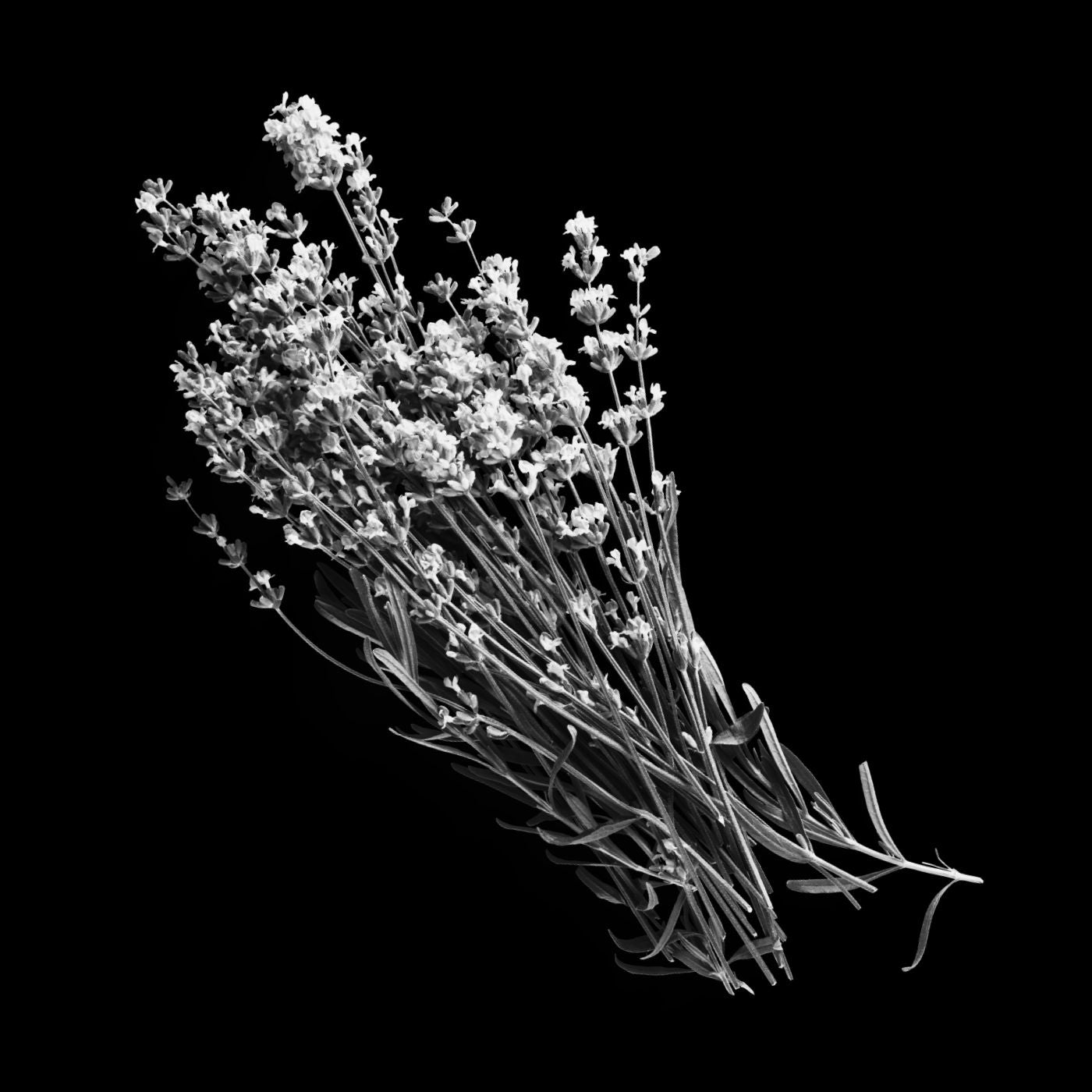
Lavender
Lavender blooms with airy florals and a gentle sweetness, like sun-warmed fields in Provence
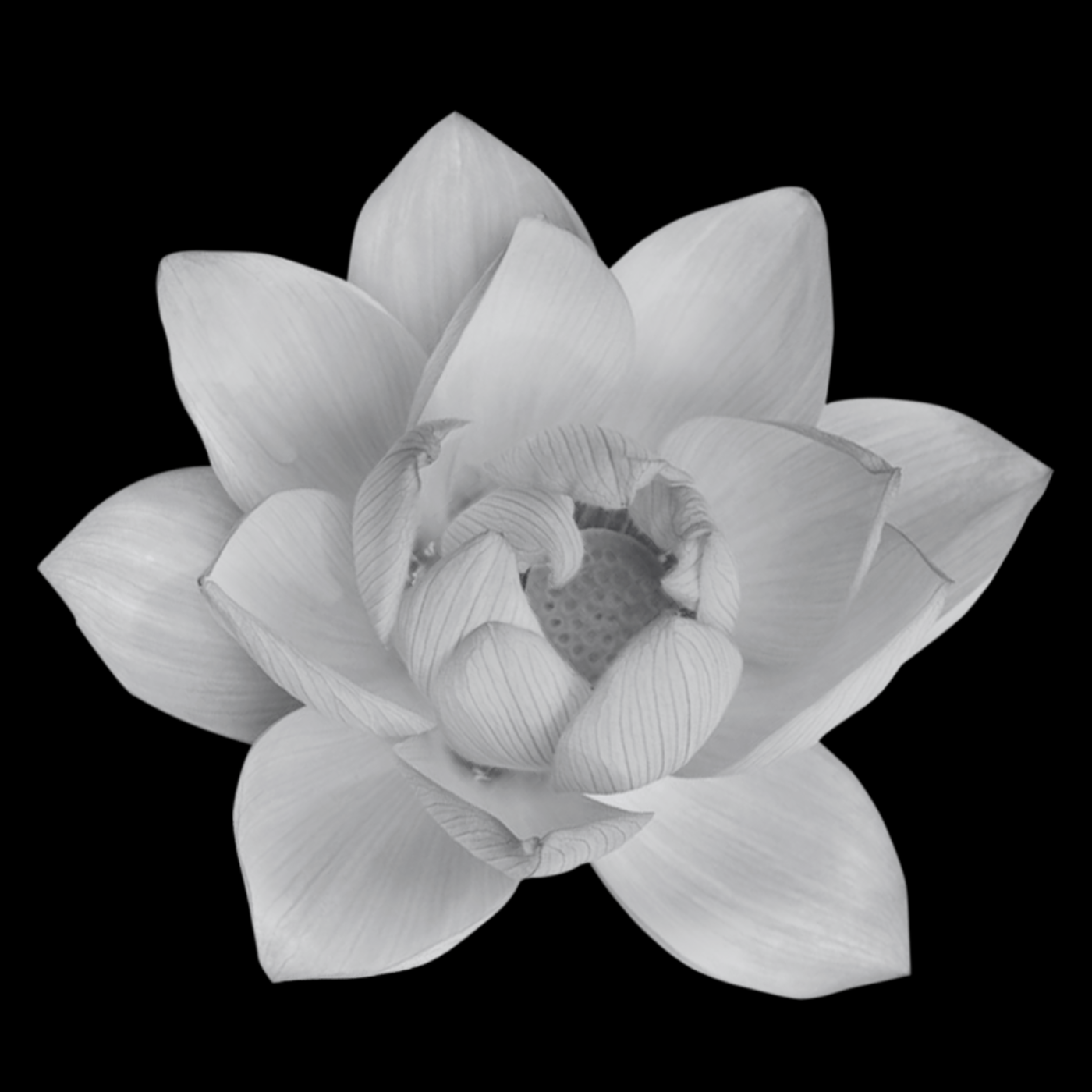
LOTUS
Lotus imparts a dewy, airy floral, keeping the blend feeling clean but velvety.

Orchid
Orchid exudes a soft, creamy floralcy with delicate powdery notes, evoking elegance, mystery, and quiet sensuality.

CEDARWOOD
Cedarwood rounds off with a dry, woody warmth with soft resinous tones and a sense of serene strength.
natural perfumery
soma
Crafted from pure botanical extracts and essential oils, Natural Perfumes are free from harsh chemicals that can overwhelm the senses. They offer a gentler, more harmonious scent experience. Every drop carries the quiet power of nature—soothing, uplifting, and alive.
Most mainstream perfumes (even luxury brands) use fragrance oils, which are lab-made blends of synthetic aroma compounds. These are designed to mimic natural scents or create entirely new ones, often using petrochemical-derived ingredients and synthetic fixatives to prolong wear. While they may smell strong and last long, they often contain allergens or harsh chemicals that can trigger headaches, skin irritation, or respiratory sensitivity in some individuals.
In contrast, natural perfume is made exclusively from pure botanical extracts ( essential oils, absolutes, and resins) blended into plant-based carriers such as alcohol or oils. These ingredients aren’t just aromatic; they are alive with therapeutic properties. Many essential oils support mood, calm stress, or uplift energy levels. Natural perfumes are Gentler, Non-Toxic, Holistic and Better for us.
sōma is designed for both Him & Her.
For the ones who prefer beauty with restraint, and presence over performance. They’re romantic but grounded: drawn to soft florals and intimacy, yet anchored by a serious, steady core.
In Malaysia, every brand we knew of chose synthetic fragrance oils for perfumery, but we wanted something different. This decision led us into the intricate world of natural perfumery, where balance, patience, and precision are everything.
We learned to blend with intention, to honour the interplay of top, middle, and base notes, and to let time work its quiet magic. After more than three years of exploration, learning, and practice, we present sōma - an ethereal, softly floral fragrance crafted from nine exquisite essential oils, aged for months to unveil a deep, complex elegance that lingers on the skin
sōma is created to be a perfume for the wearer, not the crowd.

soma
Burning agarwood smothers the humid summer heat,
Sparrows call for clear weather, peeking under the eaves at early dawn to chatter.
The morning sun dries last night's rain on the lotus leaves,
The water surface is clear and round,
As every lotus flower gracefully rises in the breeze.
Zhou Bangyan
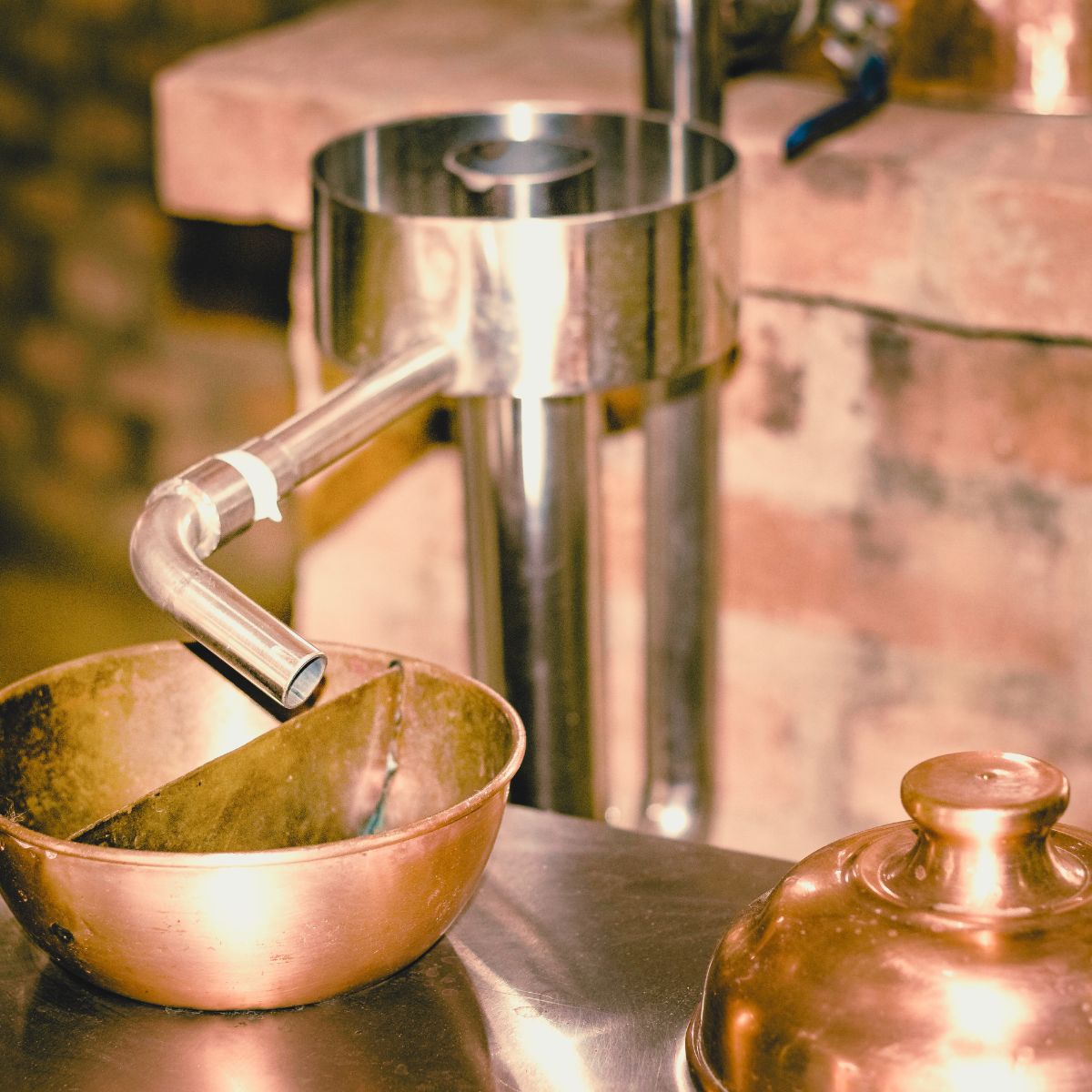
Discovery of Distillation
Persian scientist Avicenna developed steam distillation, allowing the extraction of pure essential oils

Birth of Aromatherapy
René-Maurice Gattefossé, a French chemist, coined aromathérapie after successfully using lavender oil to heal a burn. He published a book in 1937 exploring the medicinal use of essential oils.

Aromatherapy in Clinical Use
Dr. Jean Valnet, a French military doctor, used essential oils to treat wounds and infections and aromatherapy is introduced into mainstream medical discussions in Europe.

Growing Scientific Validation
Studies validated oils like lavender and peppermint had measurable effects on anxiety, sleep, and digestion.
Essential oils gained use in hospitals for stress and pain management (e.g., lavender for pre-surgery anxiety).
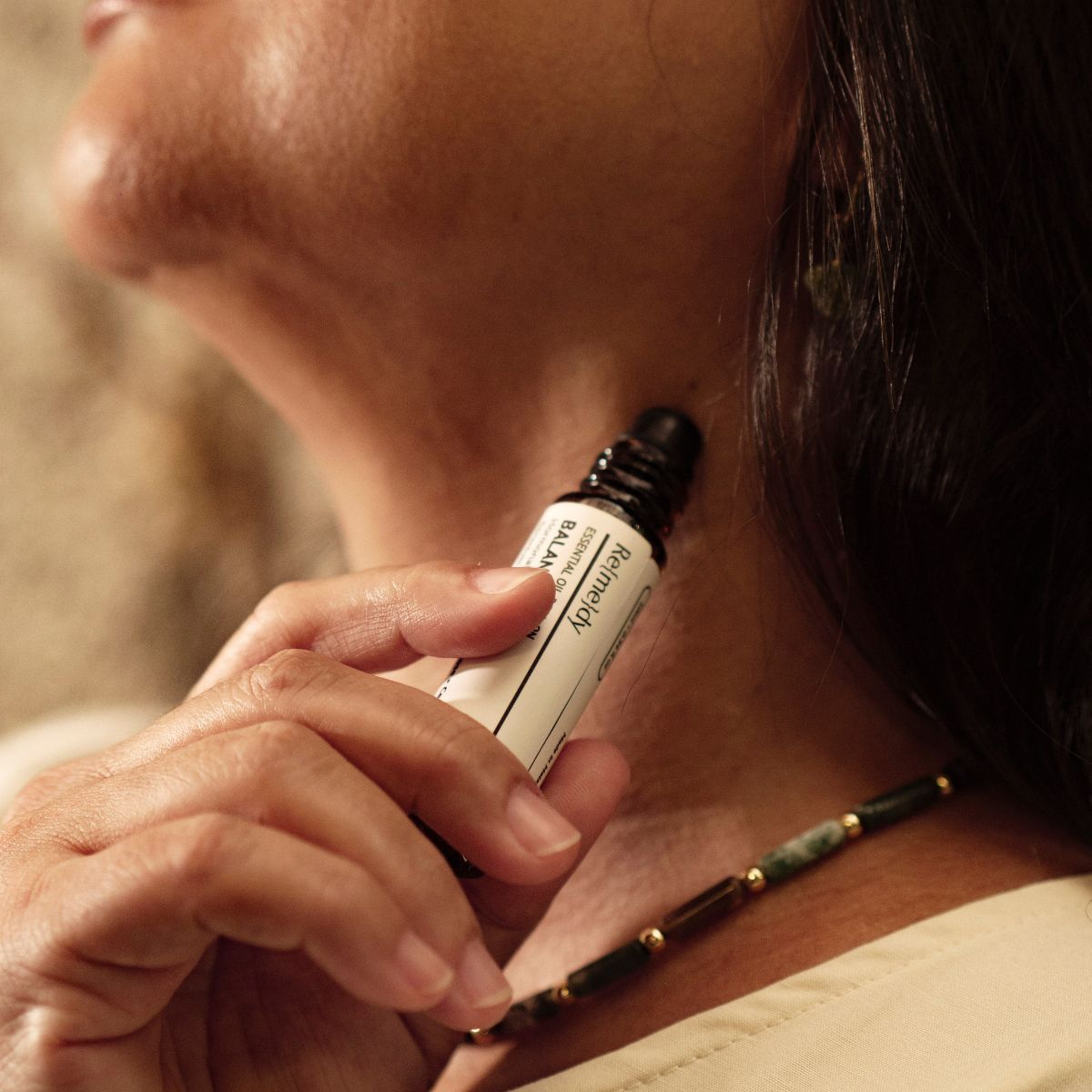
Clinical Research & Integration
Peer-reviewed studies continue to confirm benefits of oils like Lavender, Peppermint, Tea Tree.
Aromatherapy is now officially integrated in wellness clinics, palliative care, and mental health support.
What customers ask
Frequently Asked Questions
In Re{me}dy, our key ethos is Better for You, Better for our Planet, so it is imperative that we choose to use the best ingredients that are better for both our consumers + ourselves (we only sell what we would use ourselves).
That’s why we choose to use only Essential Oils in our perfumery and body care, and do not support the use of synthetic fragrance oils.
[PS- We want to be transparent here. This does not mean we don't deal with synthetic fragrance oils, we still use them in corporate projects IF the customers choose them due to cost constrains or they prefer a stronger scent unachievable with essential oils.]
Let's start with the WHY we don't use Fragrance Oils. It is synthetically man-made in the lab and often labelled simply as "Fragrance" or "Perfum" and lacks the transparency on what is actually in it. Even though we use only Fragrance Oils from reputable companies for corporate customers, we cannot absolutely guarantee it's 100% safe as we honestly don't know what is in it, as the formula is usually a secret. There is always a chance that it contains allergens, hormone disruptors. Another reason is because 99% of them have petro-chemical-derived non-biodegradable compounds that ultimately ends up into the water system which not only hurts our environment and marine life, they will end up back in our bodies from the seafood we eat and water we drink.
Now the reason WHY we use Essential OIls - It's simple, they are Better for Us & the Environment. They have Aromatherapeutic benefits + They are 100% bio-degradable. When we use Essential Oil Blends, we have to declare each oil used, so you know perfectly well what goes into the product.
At Re{me}dy, we prioritise quality, transparency, and safety in everything we make. Our products are formulated with pure, responsibly sourced essential oils and natural ingredients—crafted with intention, never shortcuts.
Unfortunately, many mass-market or low-cost products are adulterated with synthetic fillers, diluted oils, or undisclosed additives that can compromise both effectiveness and safety. If a product’s price seems too good to be true, it probably is. So our word of advice is to choose reputable makers.
Authentic essential oils are labour-intensive to produce and in high demand, which means they come at a real cost. We believe your well-being deserves nothing less than products that are effective, honest, and truly safe to use.
Though essential oils can be used at this stage, it needs to be specially formulated and certain oils are a big No No. So as a general rule, we would recommend you to stay away from aromatherapeutic products [Unless guided by a professional]
The reasons are -
- Some essential oils (like clary sage, geranium, rosemary, basil) can mimic or influence hormones, which may interfere with the delicate hormonal balance necessary during pregnancy. Certain oils may even stimulate uterine contractions, potentially increasing the risk of miscarriage, especially in the first trimester.
- During pregnancy and breastfeeding, what you use on your body may cross the placental barrier or pass into breast milk. While studies are limited, some essential oil components could potentially affect fetal or infant development—especially the liver, which is still developing and less able to process potent compounds.
- Pregnancy often makes the skin more sensitive, increasing the risk of irritation, rashes, or allergic reactions from essential oils.